

Turn Biological Age Insights Into Everyday Clinical Care
Biological age refers to how old the body seems based on overall health, not the number on a birthday cake. Chronological age counts years. Biological age reflects how systems are working, including the immune system and inflammation. When systemic inflammation stays high over time, it is linked with faster aging, higher risk of chronic disease, and earlier loss of function.
Our Inflammatory Age blood test, also called iAge, turns advanced immune and inflammatory science from long-term Stanford and NIH-funded research into a single, clinically usable measure. iAge focuses on inflammatory and immune activity in the blood and reports a biological age number that can be tracked over time. This gives clinicians one more tool to monitor inflammatory health and guide care plans in a structured way.
This playbook walks through how clinics can add a biological age blood test into everyday workflows. We pull lessons from early adopters in and around San Mateo, including how they prepared teams, framed eligibility, set visit cadence, created result review templates, and built follow-up plans that fit right into existing preventive and chronic care programs.
Laying the Groundwork for Biological Age Testing Success
Before ordering a single test, it helps to be clear on why and where it fits in your clinic. Start with a simple review of your patient population and goals.
Look at:
- Age mix, including midlife and older adults
- Chronic disease patterns, such as cardiometabolic risk
- Existing preventive and longevity programs
- Where inflammation and immune health are already concerns
In many clinics, a biological age blood test can add value in areas like:
- Cardiometabolic risk visits
- Menopause and andropause care
- Long COVID or post-viral follow-up
- Executive health and longevity packages
- Weight management and lifestyle medicine programs
Next, map the patient journey. Common touchpoints where testing fits naturally include annual physicals, Medicare wellness visits, pre-travel or pre-holiday preventive checkups, and seasonal wellness visits before respiratory illness peaks. In San Mateo, some clinics plugged iAge into their late-summer and early-fall wellness schedules so patients could check inflammatory status ahead of higher illness months.
Build a simple project plan and timeline:
- Pick a clinical champion to own the rollout
- Start with a pilot group, such as one provider or one location
- Define two or three clear objectives, like “integrate into all annual physicals for adults 40 to 70”
- Hold pre-launch meetings so front-desk, MAs, nurses, and clinicians all hear the same message
Training Your Care Team for Confident Implementation
Teams feel more comfortable when they understand the science and the workflow. Clinician education comes first. Providers should be able to:
- Explain biological age vs chronological age in plain language
- Understand that iAge focuses on inflammatory and immune health
- Review longitudinal Stanford research that underpins the test
- Interpret scores and trends within a broader clinical picture
We find that when clinicians see iAge as a clinical metric, not a wellness “extra,” they can talk about it without feeling like they are selling a test.
Front-desk, MA, and nursing staff need clear, short scripts and simple steps. Helpful tools include:
- One-line explanation for check-in: “This is a blood test that looks at inflammatory and immune aging so your provider can better tailor your care.”
- FAQ sheets for common questions on what the test checks, timing, and how results are shared
- EHR flags for patients who meet basic criteria
- Pre-visit patient education built into reminders for annual or seasonal wellness visits
Operational checklists keep the process smooth. In San Mateo clinics that integrated iAge well, teams:
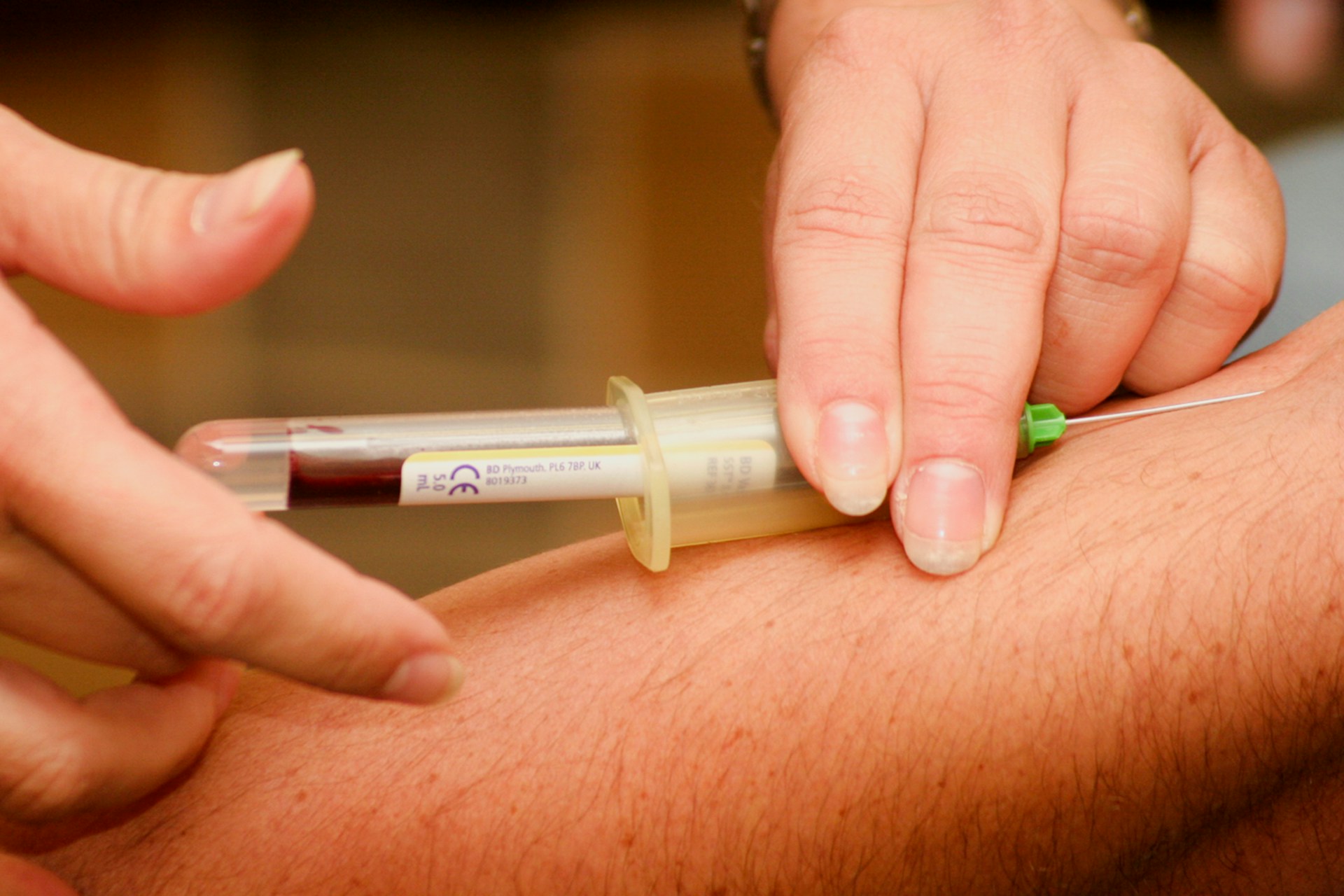
- Tied the blood draw to routine lab orders for annual exams
- Used standard specimen handling and shipping workflows
- Added clear ordering pathways and lab codes into the EHR
- Documented test ordering and result review in existing visit templates
This made iAge part of “how we do labs,” not a separate, special process.
Patient Eligibility, Consent Language, and Visit Cadence
Each clinic can set its own eligibility criteria, but many start with:
- Adults roughly 35 to 80 years old
- Patients with metabolic syndrome or cardiometabolic risk factors
- Those with autoimmune risk or concerns about long-term inflammation
- Patients asking about longevity, performance, or healthy aging
- People recovering from infections who are concerned about long COVID-type symptoms
Seasonal use cases can also help. For example, late-summer assessments can give a baseline before fall and winter respiratory seasons. That timing fits well for many San Mateo patients who already schedule back-to-school or pre-holiday wellness visits.
Consent and communication should be clear and calm. Sample points to include in informed consent and visit explanations:
- What the biological age blood test measures: inflammatory and immune patterns linked with aging
- What it does not do: it is not a diagnosis and does not replace standard labs or exams
- How results are used: to support personalized care plans, monitoring, and shared decision-making
- Limitations: the test is one piece of information and should be interpreted in context
- Privacy: results are handled like other lab tests within medical records
For visit cadence and ordering logic, many clinics start with:
- A baseline iAge with an annual physical, Medicare wellness visit, or first preventive consultation
- Follow-up testing every 6 to 12 months, depending on risk and interventions started
- Closer tracking in some programs, such as after lifestyle changes, weight management, or medication adjustments aimed at inflammatory health
Align testing with touchpoints you already use: medication reviews, chronic disease follow-ups, or dedicated longevity visits.
Result Review Templates and Follow-up Protocols
A structured result review helps keep visits focused and reassuring. A simple 10 to 15-minute in-person or telehealth template might include:
- Quick recap of what iAge is and what it measures
- The patient’s biological age result next to chronological age
- Key drivers or patterns highlighted in the report
- Graphs that show where the patient sits relative to a reference range
- Clear, calm risk framing focused on action, not fear
Many clinics find that visual graphs help patients see trends without feeling overwhelmed. The goal is to turn a number into a conversation about change and support.
Then connect results to tiered care pathways, for example:
- Lifestyle steps tailored to inflammatory health, including nutrition, movement, sleep, and stress management
- Review and optimization of medications that relate to inflammatory or cardiometabolic health
- Referrals to cardiology, endocrinology, integrative medicine, or behavioral health when indicated
- Access to group visits, health coaching, or community resources focused on long-term behavior change
Automated follow-up matters. In early San Mateo pilots, clinics set:
- EHR flags for patients due for a 3 to 6-month check-in after higher-risk results
- Secure messages that summarize results and confirm the follow-up plan
- Care navigator outreach for patients in high-risk groups to help them stay engaged
- Seasonal retesting plans during higher-risk periods to show progress and keep motivation up
Lessons From the Clinic: Local Blueprint to Launch Faster
Clinics that adopted iAge early kept changes small but consistent. They added a single line about inflammatory biological age to preventive visit scripts, built one new lab order into standard panels, and created short staff huddles to review real cases and questions. Those minor tweaks led to higher patient curiosity and stronger engagement with preventive plans.
Over time, these clinics saw that patients had a better grasp of what inflammation means in daily life. Many were more willing to stick with lifestyle prescriptions when they could see an inflammatory age number shift over repeat tests. Preventive visits became a natural place to review biological age trends alongside blood pressure, cholesterol, and other standard markers.
To move from idea to launch in roughly two to three months, a simple checklist can help:
- Pick your clinical champion and pilot provider
- Define clear eligibility criteria and visit types for offering the test
- Train clinicians on the science and interpretation
- Give front-desk and clinical staff short scripts and EHR flags
- Build ordering, consent, and result review templates into your system
- Set follow-up rules and timing before the first test is ordered
At Edifice Health, we focus on making biological age testing, and inflammatory age in particular, simple to work into real clinical practice. Our team supports onboarding, staff education, and ongoing clinical resources so that biological age becomes a useful, repeatable part of everyday care, not a one-time experiment.
Discover How Young Your Body Really Is Today
Take the next step toward understanding your true health status with our advanced biological age blood test. At Edifice Health, we use cutting-edge science to give you clear insights you can act on now, not years from now. If you have questions or need help deciding if this assessment is right for you, simply contact us. Start building a more informed plan for your long-term wellness today.
